JEWELLERY · 8 MIN

Jewellery retouching: controlling reflections without flattening the product

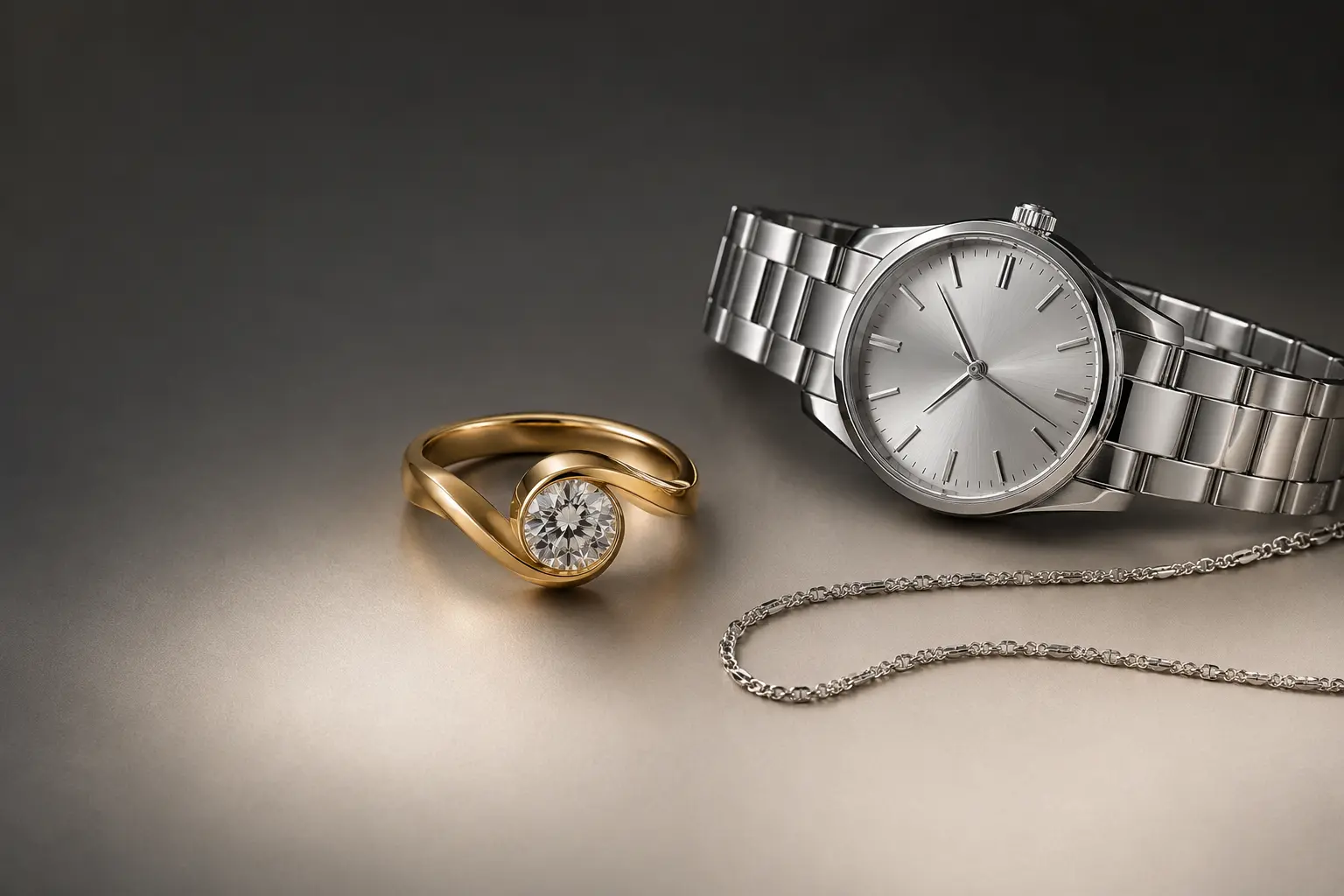
Jewellery needs cleanup and clarity, but aggressive smoothing can erase the lighting structure that communicates metal, stone and shape. The brief must define what is contamination and what is material.
Put this workflow into practice Read support guidance
Jewellery retouching: controlling reflections without flattening the product
Specialist production · Independent quality control
Published9 August 2026
Reading time8 min
Written byRupato Production Team
Editorial policyNo fabricated claims
01

Preserve the lighting logic

A believable result retains directional highlights, controlled dark reflections and the geometry of polished surfaces. Replacing everything with one bright gradient makes different metals look identical.

02

Use separate references for metal and stone

Gold tone, silver neutrality, gemstone saturation and facet contrast need distinct checkpoints. A product reference or approved hero image is more reliable than a verbal request to make it pop.

03

Inspect edges and supports

Fine chains, prongs, transparent supports and contact shadows create complex boundaries. Quality control should review both isolated detail and the full product at final output size.

PRACTICAL ANSWERS

Questions teams ask before production.

01Can every reflection be removed?

It can, but the product may become flat or inaccurate; controlled reflections usually communicate form better.

02Do you need a physical sample?

A calibrated reference image or approved prior asset can be sufficient when a sample is unavailable.

03Why review at two zoom levels?

High zoom finds defects while final-size review confirms the image still reads naturally.

ONE ORDER OR A COMPLETE CATALOGUE

Make the brief clear before the first file moves.

Rupato keeps uploads, specifications, tasks, review and delivery attached to the same production record.

Start an order