AI & QUALITY · 7 MIN

When AI background removal needs human quality control

Automatic segmentation is excellent for speed, but a transparent file is not automatically a commercially correct cutout. The risk is concentrated in a predictable set of materials, edges and product constructions.
Put this workflow into practice Read support guidance
When AI background removal needs human quality control
Specialist production · Independent quality control
Published18 August 2026
Reading time7 min
Written byRupato Production Team
Editorial policyNo fabricated claims
01

Transparency can hide an incorrect edge

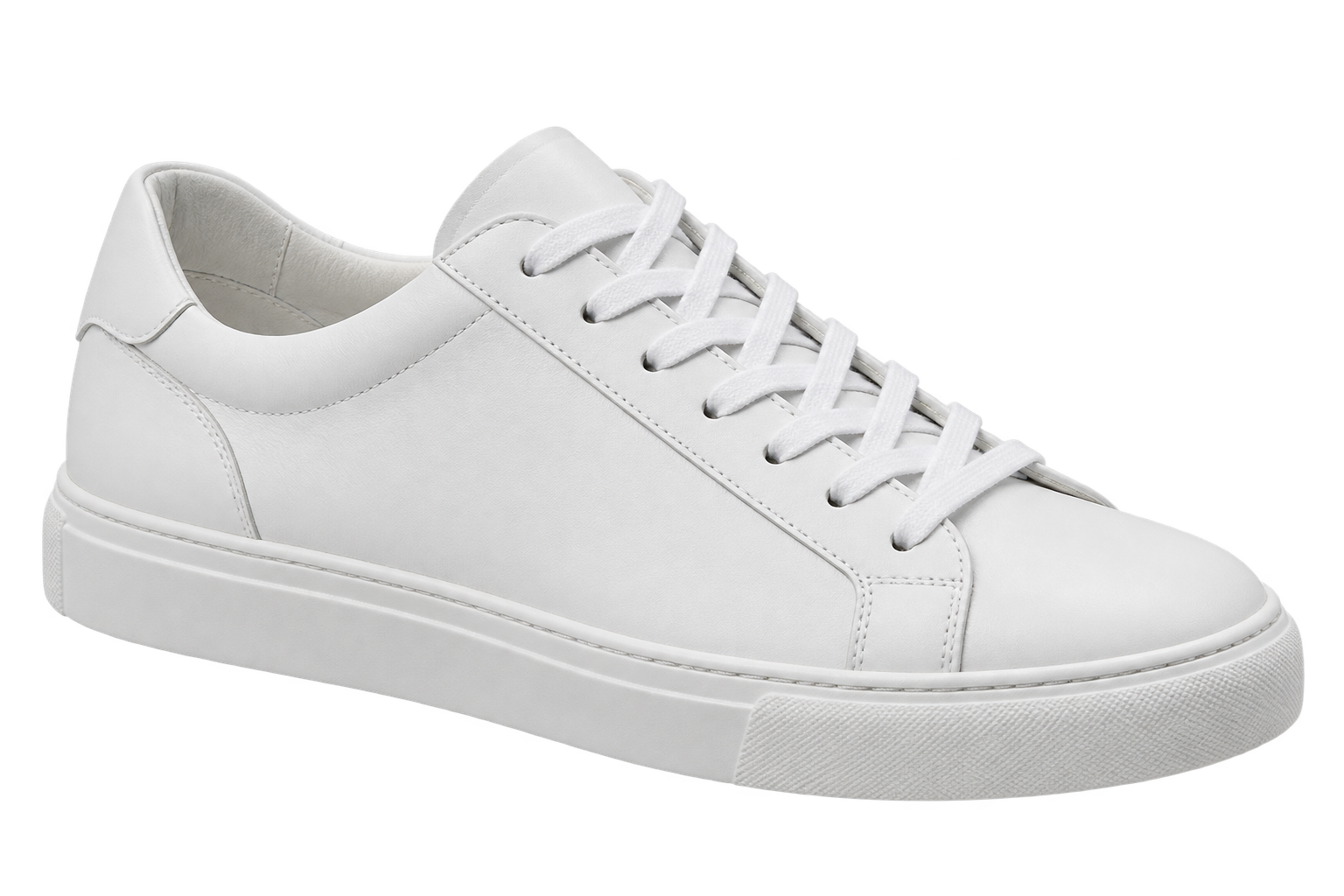
Hair, fur, lace, glass, pale products and motion blur can look acceptable at page size while failing at useful zoom. A checkerboard proves alpha exists; it does not prove the mask represents the product.

02

The destination changes the decision

A marketplace main image, composited campaign asset and internal catalogue thumbnail may need different edge treatment. Quality control must compare the result with the intended background and output profile.

03

Use confidence-based routing

Straightforward hard-edged products can move through an automated path. Low-confidence or high-value images should enter specialist review, with the reason recorded so the rule improves over time.

PRACTICAL ANSWERS

Questions teams ask before production.

01Is every AI result manually checked?

Rupato separates the instant AI tool from human-QC production orders so customers can choose the right assurance level.

02Why can white products fail?

Low contrast between product and source background can make the boundary uncertain.

03Can a correction reuse the original mask?

Often yes, but only if the mask contains enough edge information.

ONE ORDER OR A COMPLETE CATALOGUE

Make the brief clear before the first file moves.

Rupato keeps uploads, specifications, tasks, review and delivery attached to the same production record.

Start an order