OPERATING CASE STUDY · ILLUSTRATIVE

Fashion seasonal launch: approving 480 SKUs without a final-batch bottleneck

A fashion and apparel team needs to move mannequin, flat-lay and detail shots into one six-week release. This model shows the production decisions, owners and evidence gates Rupato would configure.
Start a production order Read support guidance
Illustrative fashion and apparel operating case study
Specialist production · Independent quality control
Modelled batch2,400 modelled images
Deadline6-week launch window
IndustryFashion and apparel
EvidenceIllustrative—not a customer claim
01

Scope and evidence boundary

Modelled batch: 2,400 modelled images. Deadline model: 6-week launch window. Illustrative operating scenario—not a customer claim. This page demonstrates an operating design and does not attribute a result, saving or endorsement to an unnamed customer.

02

Why one global reference would fail

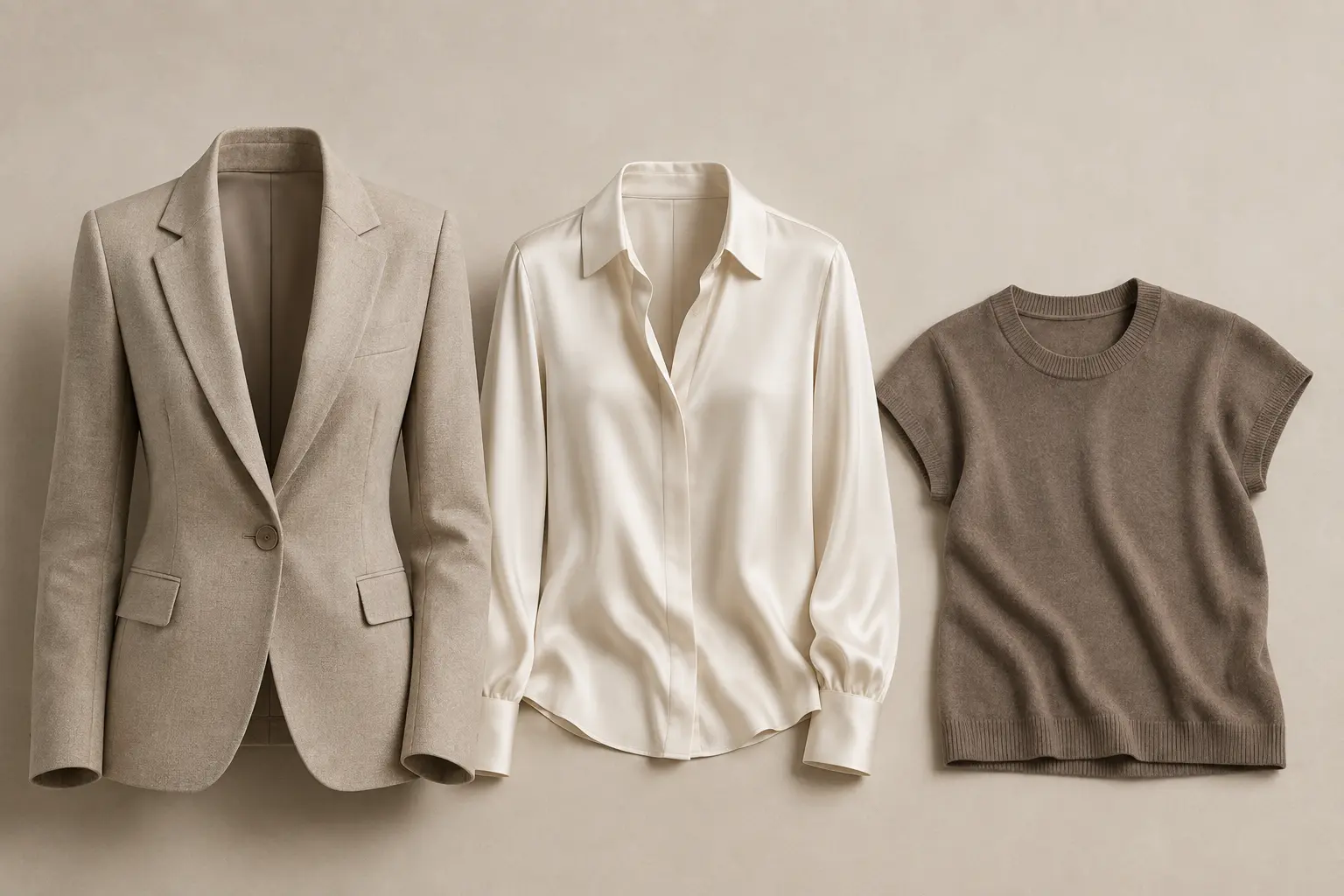
A tee, tailored jacket, deep hood and sheer blouse require different joins and texture decisions. The model creates a small approved reference set by construction rather than treating the first easy garment as the rule for the whole range.

03

How handoffs are divided

Studio uploaders own file pairing; merchandising resolves SKU and colour questions; production edits assigned families; independent QC checks construction and catalogue rhythm; brand reviewers release approved families.

04

What is measured

The pilot records source rejection reasons, first-pass approval, correction categories and average customer review time. These are targets for a real pilot, not invented results.

05

Modelled handoff timeline

Day 0–2: Source audit and ten-garment pilot · Day 3: Brand approval of five construction references · Week 1–5: Continuous production by product family · Week 6: Exception closure and channel delivery

06

What the model would measure

Pilot: 10 garments including exceptions · Approval gate: 5 construction references · Delivery: By completed product family · Reported: Source issues + correction categories. A live engagement would add baseline, correction rate, approved lead time and cost evidence before publishing a result.

PRACTICAL ANSWERS

Questions teams ask before production.

01Is this a named customer result?

No. It is an operating scenario designed to show the proposed workflow without fabricated endorsements.

02Why continuous delivery?

Approved families can reach the channel sooner while genuine exceptions remain visible.

03What should a real pilot prove?

Source suitability, join quality, catalogue rhythm, review time and correction categories.

ONE ORDER OR A COMPLETE CATALOGUE

Make the brief clear before the first file moves.

Rupato keeps uploads, specifications, tasks, review and delivery attached to the same production record.

Start an order