AUTOMOTIVE PARTS · PRODUCTION PLAYBOOK

Automotive parts imagery that stays consistent at catalogue scale.

Automotive parts teams manage large technical catalogues organised by SKU, fitment and near-identical variants. This playbook covers capture inputs, editing decisions, department handoffs and the quality controls needed to protect shape accuracy, fitting detail, readable identifiers and dependable naming.
Start a production order Read support guidance
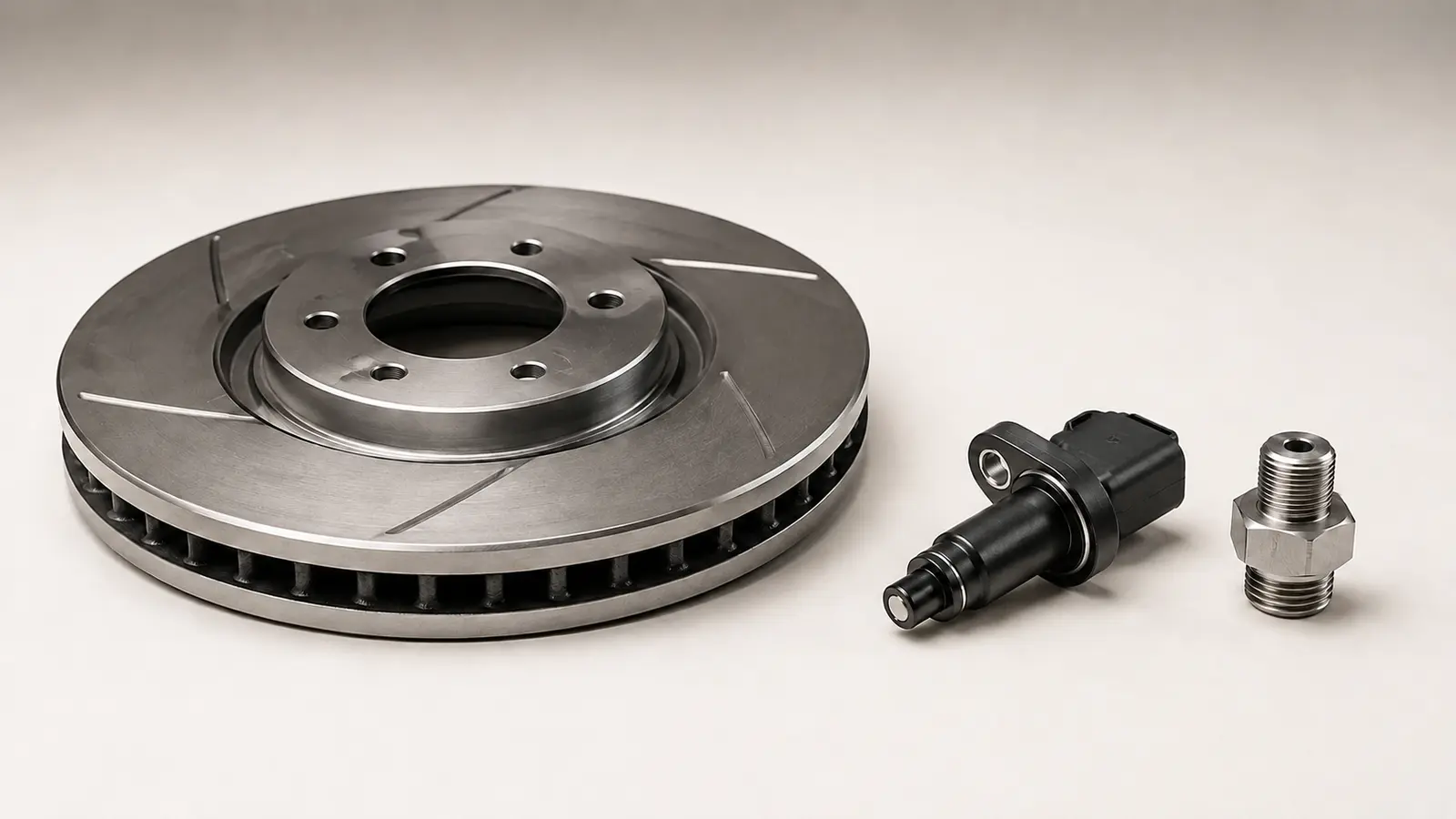
Illustrative automotive parts ecommerce product photography
Specialist production · Independent quality control
Modelled volume6,000 images across 2,100 part numbers
Sourcebench photography, isolated components, packaging and engraved details
Main channelparts stores, dealer systems and automotive marketplaces
QC focuspart numbers, connectors, threads, ports, scale and filename-to-SKU mapping
01

A production brief your team can reuse

Remove the bench and temporary grease only. Keep casting texture, threads and stamped reference visible. Never clone across a connector. Output naming must use manufacturer-part-view. Common jobs include bench-background removal, oil and dust cleanup, engraving protection, variant grouping, packaging cleanup, fitment-aware naming. The approved decisions become a versioned specification rather than disappearing into email.

02

Identity is the first quality check

A beautiful image of the wrong variant is a catalogue failure. Part number, connector count, fitting orientation and source filename are validated before cosmetic work.

03

Separate workshop residue from material finish

Temporary dust, fingerprints and shipping oil may be cleaned. Casting grain, machining marks and finish variation can be functional information and should remain unless the brief defines otherwise.

04

Build an exception lane for ambiguous sources

If a label is unreadable or two variants cannot be distinguished, the image pauses for customer confirmation instead of being guessed into the catalogue.

05

Move the full range without losing product identity

Device, folder and secure-link uploads keep source names attached to the order. Department roles separate preparation, product questions, review and billing. Approved masters can then become controlled outputs for parts stores, dealer systems and automotive marketplaces, while exceptions remain visible instead of blocking the entire range.

PRACTICAL ANSWERS

Questions teams ask before production.

01Can Rupato decide vehicle compatibility?

No. Fitment must come from the customer’s authoritative catalogue or PIM; editing preserves that identity.

02Should grease be removed?

Temporary photography residue can be removed, while protective coatings or material finishes should remain.

03What happens when a part number is unclear?

The asset enters an exception queue for customer confirmation rather than being guessed.

ONE ORDER OR A COMPLETE CATALOGUE

Make the brief clear before the first file moves.

Rupato keeps uploads, specifications, tasks, review and delivery attached to the same production record.

Start an order