FASHION AND APPAREL · PRODUCTION PLAYBOOK

Fashion and apparel imagery that stays consistent at catalogue scale.

Fashion and apparel teams manage seasonal ranges, fast SKU turnover and several views per garment. This playbook covers capture inputs, editing decisions, department handoffs and the quality controls needed to protect fabric texture, accurate silhouette and consistent garment scale.
Start a production order Read support guidance
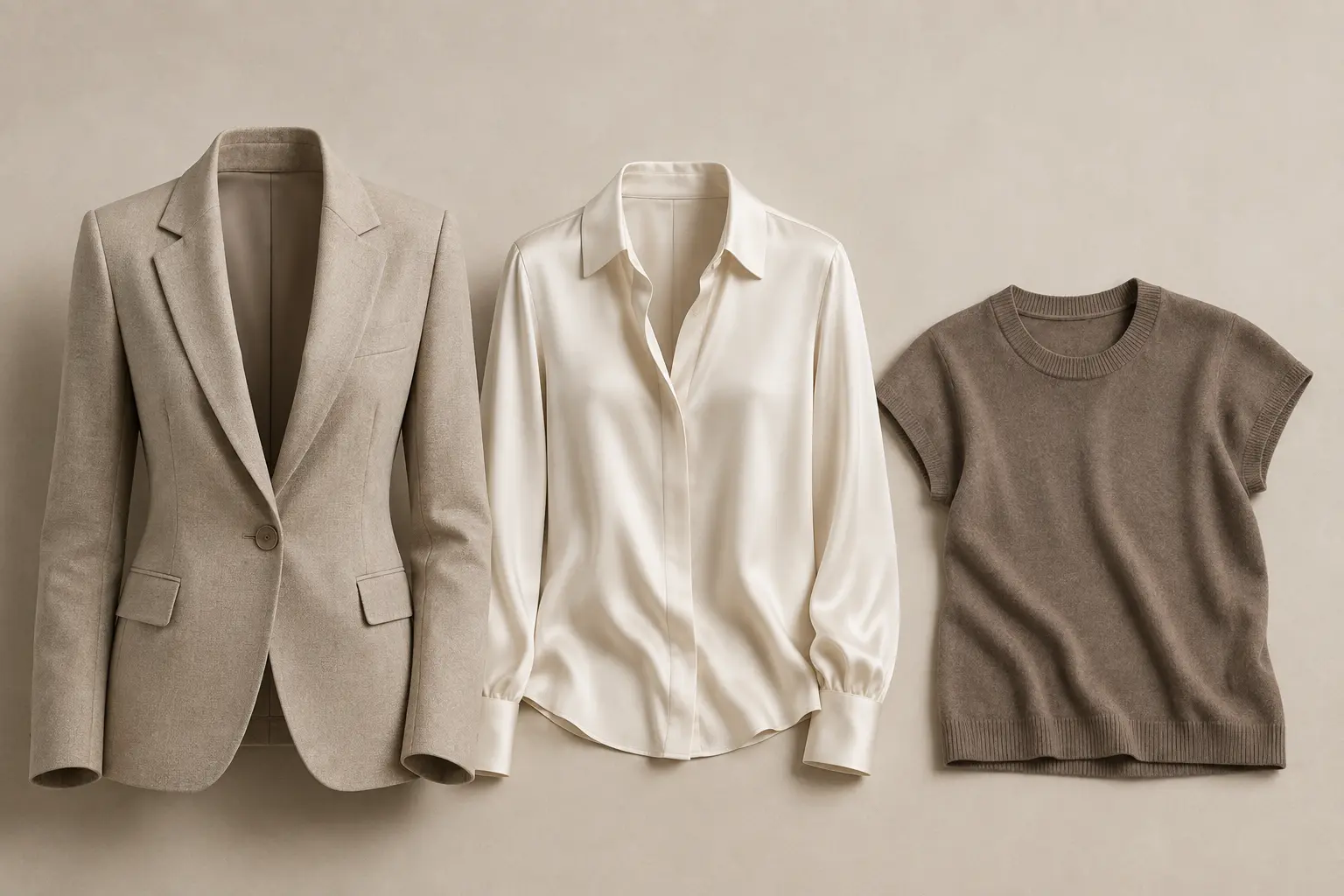
Illustrative fashion and apparel ecommerce product photography
Specialist production · Independent quality control
Modelled volume2,400 images across 480 SKUs
Sourceon-model, mannequin, flat-lay and detail photography
Main channelfashion storefronts and multi-brand marketplaces
QC focusneck joints, hems, symmetry, labels, true colour and repeatable margins
01

A production brief your team can reuse

Keep the natural linen weave. Remove temporary pins and mannequin only. Centre every garment at the collar, preserve hem length, use 8% side margin and deliver sRGB JPG plus transparent PNG. Common jobs include ghost mannequin composites, crease and pin cleanup, colourway matching, category-page alignment, on-model garment cleanup, web and marketplace outputs. The approved decisions become a versioned specification rather than disappearing into email.

02

Build the shoot around the edit

A reliable apparel brief begins before capture. Exterior and insert shots need matching focal length, exposure and garment position. Collars, hoods and deep armholes require enough interior coverage to build a believable join rather than inventing fabric.

03

Separate construction from temporary defects

Seams, natural drape, washed texture and purposeful asymmetry describe the product. Pins, dust, loose threads and transport creases usually do not. The specification must distinguish them so an editor does not ‘perfect’ away a feature the customer is buying.

04

Judge the rail, not only one image

A clean individual file can still make a poor category page. QC checks perceived garment size, shoulder height, hem position, background value and shadow strength across the full style and colour family.

05

Move the full range without losing product identity

Device, folder and secure-link uploads keep source names attached to the order. Department roles separate preparation, product questions, review and billing. Approved masters can then become controlled outputs for fashion storefronts and multi-brand marketplaces, while exceptions remain visible instead of blocking the entire range.

PRACTICAL ANSWERS

Questions teams ask before production.

01How many images are needed for ghost mannequin?

Most garments need a front or back exterior plus a matching inside-neck, sleeve or waist insert. Complex layers may need more.

02Should every crease be removed?

No. Remove handling creases defined by the brief, while retaining folds that explain fit, construction or material.

03Can one approved garment become the reference?

Yes. Save it with canvas, alignment, shadow and cleanup notes, then define exceptions for unusual silhouettes.

ONE ORDER OR A COMPLETE CATALOGUE

Make the brief clear before the first file moves.

Rupato keeps uploads, specifications, tasks, review and delivery attached to the same production record.

Start an order